Our innovative tissue phantom: a systematic approach to developing a model for more effective anesthesia
Is it possible to consider regulatory requirements from the outset and thus accelerate development? Using the example of a newly developed product, we show that it is possible and how it can be done - and what expertise the NMI can contribute to this process.
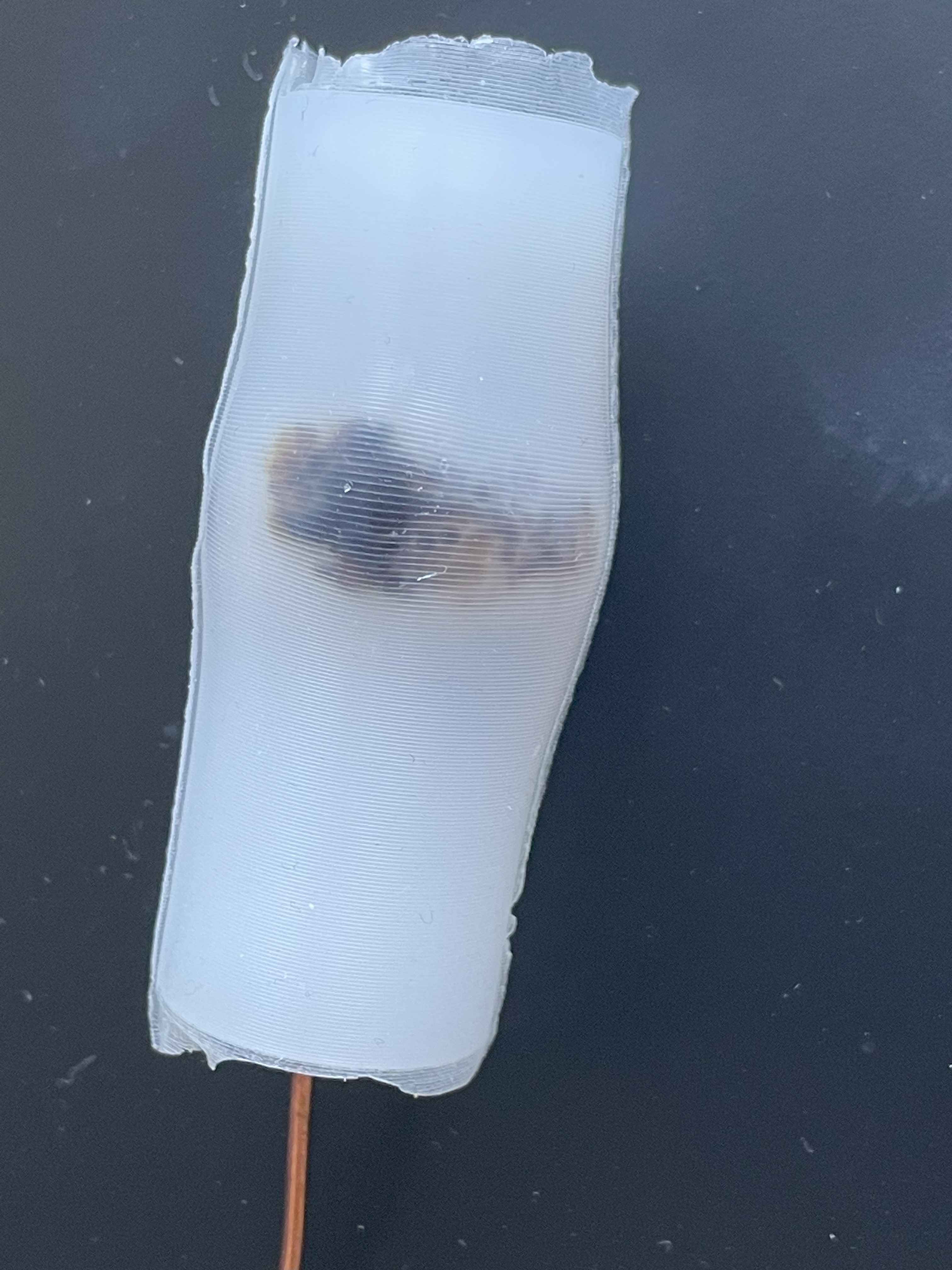
Newly developed medical devices often fail to find their way into clinics because the approval process is difficult. Clinical trials reveal risks, and the product needs further development. This results in additional costs and delays in development. The example of our innovative tissue phantom shows how such failures can be avoided through a smart and systematic approach.
Identifying risks at an early stage
Experts from medical device development, clinical practice, and regulatory affairs worked together from the outset during the development process. The tissue phantom was to be tested as realistically as possible in the earliest stages of development so that potential risks could be identified early on and incorporated into the development process. But how can a product be tested in a realistic manner without animal testing or clinical trials?
The experts led by NMI scientist Dr. Dagmar Martin contributed their expertise in two fields: regulatory affairs and material development. This knowledge was used to develop a tissue phantom that resembles the cervix in both feel and absorption of the anesthetic, enabling realistic testing. The cervix can be inserted into a uterus model, enabling simulations of anesthesia under realistic conditions.
What were the experiences during the tests?
The tests in the clinical environment revealed risks in handling and potential for improvement at an early stage. These findings were immediately incorporated into the development process. The developers also involved various stakeholders in the tests and used their feedback to continuously optimize the tissue phantom. Further relevant points were discussed in consultation with experts: How sustainable is the product? Is complete or partial multiple use possible? Pricing was also an issue. How are corresponding indications reimbursed, and what price is realistic? All these points were incorporated into the development process.
Where can the test system be used?
The test system is ideal for marketing and training purposes. Potential customers can test for themselves how the product is used and what advantages it offers. Videos can be created and shown for presentations. The phantom can also be used to monitor success in training courses. It is possible to see immediately whether the anesthesia has been administered successfully. All of this can be done realistically without animal testing.
Is this also possible for the development of other medical devices?
Every product is different, but we can apply our many years of experience to a wide range of products. Contact us and we will develop a model together!