FDA Relaxes Rules for Wearables & Wellness Apps: What Does This Mean for Digital Health and MedTech?
The FDA provides new clarity: wearables and wellness apps are to be less strictly regulated. For manufacturers, start-ups and tech players, this means more leeway, but also new risks.
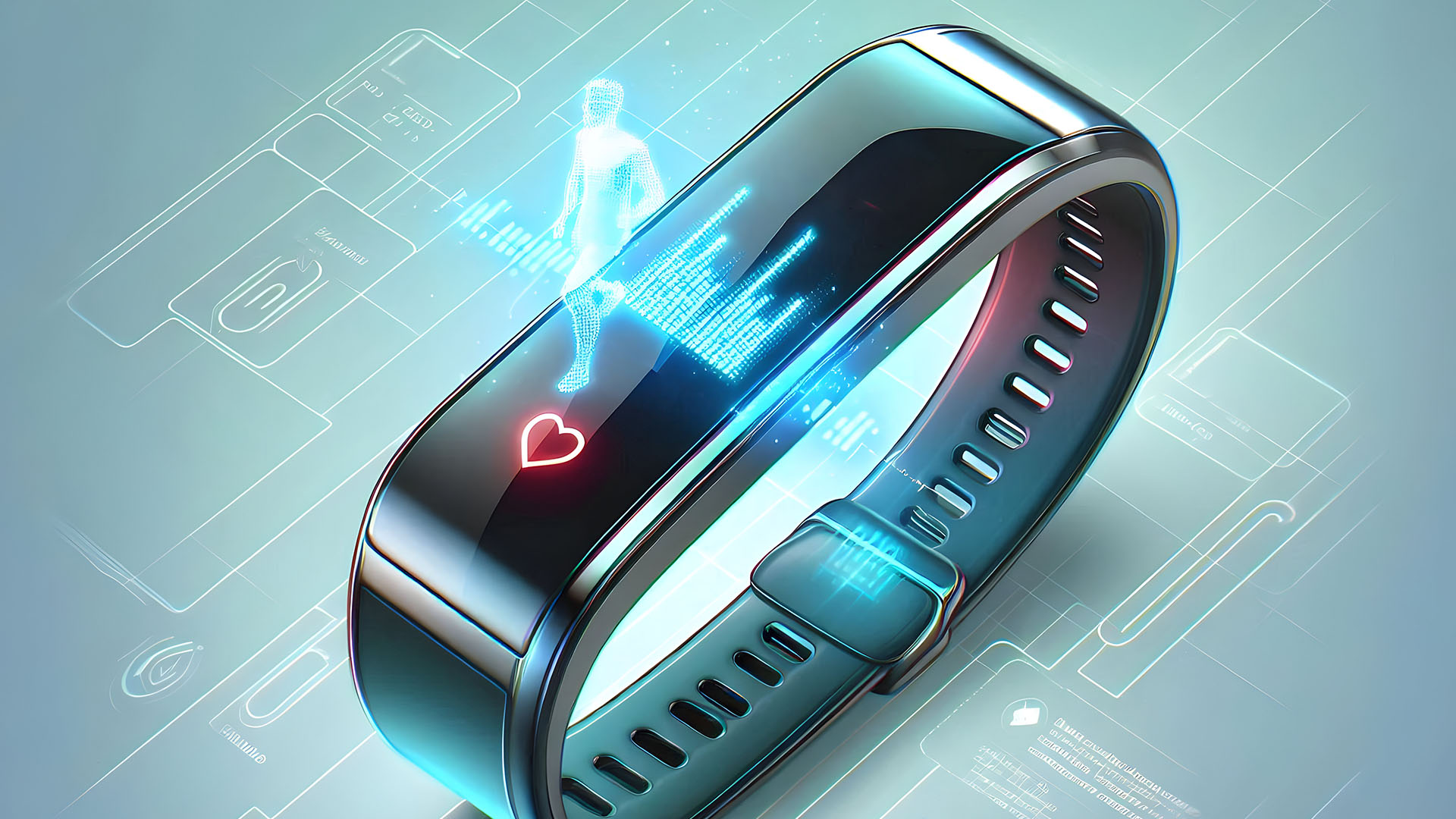
New FDA guidance: What's changing
On January 6, 2026, the US Food and Drug Administration (FDA) published updated guidance defining when wearables and software functions are considered “general wellness” and are therefore not (or only to a very limited extent) subject to strict medical device regulations. FDA Commissioner Marty Makary emphasized: Enable innovation, but keep an eye on safety risks – especially where AI-supported information influences decisions.
The guidance “General Wellness: Policy for Low Risk Devices” replaces the 2019 version. Key message: For low-risk wellness products, the FDA does not generally intend to review whether they should be classified as “devices” – and even if they are, requirements such as premarket review, registration, labeling, QMS obligations, and MDR reporting will not be enforced. This continues a trend: fitness apps, activity trackers, and the like are generally “low-risk wellness tools” as long as they do not make any diagnostic or therapeutic claims.
Wellness vs. medical device: where is the line?
The guidance defines “general wellness products” based on two factors:
- Wellness purpose only (e.g., fitness, sleep, stress, weight management)
- Low risk for users
In practice, claim management is crucial:
- Permitted scope: “We provide information/trends/motivation” (e.g., activity tracking, sleep trends, stress management).
- Regulatory path: As soon as a product claims “medical-grade” performance or can actually lead users to make therapeutic decisions (e.g., blood pressure readings for adjusting medication), it becomes critical. Makary has publicly emphasized precisely this line.
Why the issue is so controversial right now – and even more so with AI
Wearables are capable of more and more today – the line between wellness and medical devices is becoming blurred. Example: On July 14, 2025, WHOOP received a warning letter for marketing an “Blood Pressure Insights” feature without approval. AI-supported symptom analysis adds another layer: Even if an app “only informs,” the question arises as to how users actually use the information – and how manufacturers prevent misunderstandings.
5 takeaways for manufacturers (including in Europe)
- Intended use is your leverage – and your risk. Marketing, UI/UX wording, KPIs, screenshots, FAQs: everything counts.
- “Trend” is not “measured value.” The closer you get to diagnostic parameters (e.g., blood pressure, arrhythmias), the more you need evidence, risk management, and, if necessary, FDA clearance.
- Low risk does not mean “no risk.” Product safety, cybersecurity, data protection, and “responsible AI” remain crucial.
- US logic is not EU logic. The EU MDR also evaluates intended use and claims—but differently. Global players need a harmonized strategy.
- Plan for regulatory upgrades. Many products start as wellness apps and grow into the medtech space. Architecture and QMS should be scalable.
Why the new FDA guideline is also important for Europe:
Although the rule originates in the US, it directly affects the European market. Wearables are developed globally, so manufacturers often adapt their technologies to US standards—and these changes automatically affect Europe as well. At the same time, the EU is following international trends to promote interoperability and data standards. In addition, FDA requirements affect ongoing clinical trials worldwide and provide impetus for harmonization. In short, what the FDA decides changes the global product landscape – and thus also the framework conditions in the EU.
SEQLY perspective: Use clarity without falling into the claim trap
The FDA provides guidance for low-risk wellness, which can accelerate innovation. At the same time, the boundary with medical device regulation remains and is becoming sharper along the lines of claims, evidence, and user impact.
If you are developing a wearable, app, or AI software in the wellness/digital health context, it is now worth conducting a structured check:
- Claim/labeling review (US/EU)
- Risk profile & “low-risk” justification
- Evidence strategy
- Roadmap for a possible “medical upgrade”
- Because in the end, it's not what your product can do that matters – it's what you promise and how users understand it.
Conclusion
The new FDA guidance creates opportunities for innovation – but only those who have claims and risks under control will remain compliant. Review your strategy for the US and EU now. The future of digital health begins today. Are you ready?
Sources: