Synchronous Production: Maximum Efficiency for Medical Technology Manufacturing
Efficiency in medical technology: Learn how synchronous production minimizes inventory, shortens lead times, and increases quality. A best-practice insight into economic and social sustainability.
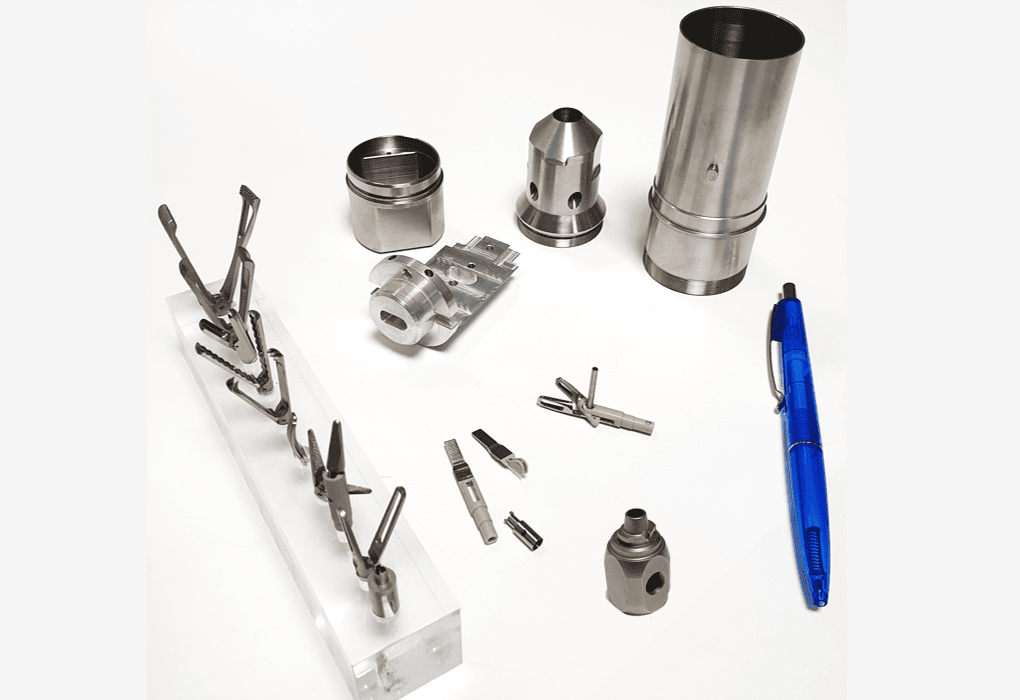
Efficiency through synchronous production in medical technology
In the demanding world of medical technology production, quality, delivery reliability, and cost-effectiveness are the decisive pillars. A proven approach to achieving these goals simultaneously is the synchronous production system. Originally developed in Japan, it offers enormous advantages, especially for the highly sensitive manufacturing of medical components.
What does synchronous production mean?
The goal is demand-driven manufacturing without unnecessary inventory. By consistently avoiding waste – in the form of overproduction, waiting times, or unnecessary transport – the focus is placed on the actual customer takt time. The system is based on 12 central building blocks, which include topics such as single-piece flow, cycle times, and standardization.
The advantages for the medical technology industry
- Minimized lead times: Products leave production faster, increasing responsiveness to market demands.
- Highest quality standards: Process reliability is increased through standardized processes and error prevention (Poka Yoke).
- Economic & social sustainability: Less waste conserves resources, while clear structures optimize the workload for employees.
"You cannot copy the synchronous production system; you have to comprehend it."
– Jakob Penz, expert in synchronous production systems
Best Practice: Setup times like in Formula 1
A key enabler of synchronous production is the optimization of setup processes. Much like a pit stop in Formula 1, every second counts to maintain the flexibility to manufacture even small batch sizes economically. This is particularly relevant in medical technology, where individualized solutions and small batches are becoming increasingly important.
Learn more about these methods and how they can sustainably increase the competitiveness of your production.