Smart and digital microscopy
Digital microscopy as a key technology for manufacturing, quality control, and laboratories. Quality control in detail: Reproducible, documented, auditable.
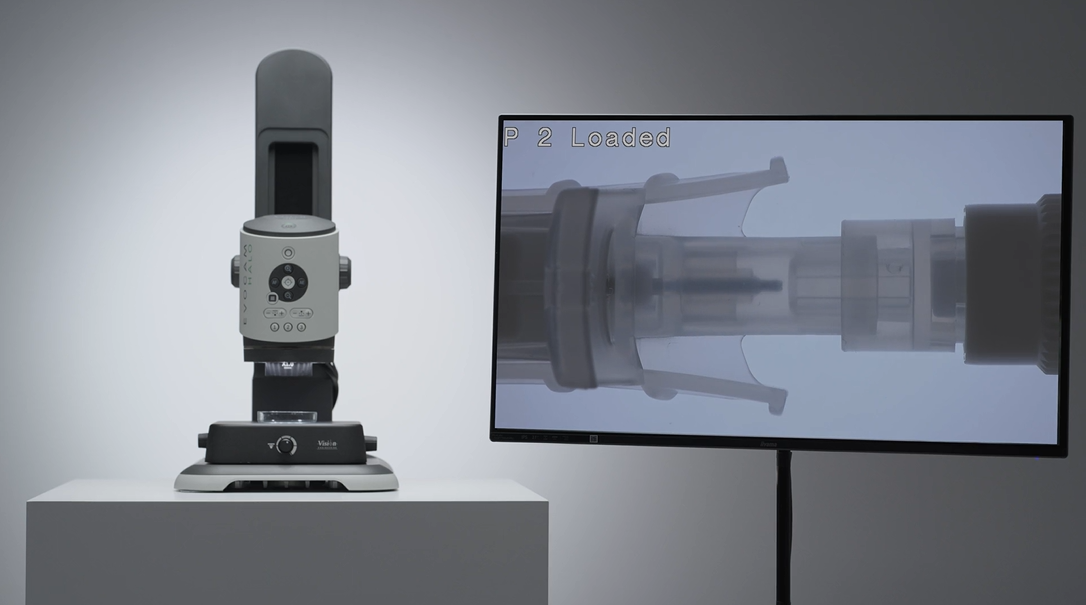
Digital microscopes are increasingly evolving into networked inspection and analysis systems. High-resolution sensor technology, adaptive lighting, integrated measuring functions, and innovative 3D visualization enable reproducible testing processes, ergonomic workstations, and seamless digital documentation. This article highlights technological developments and their concrete added value in medical technology, electronics, and plastics processing—with relevance also for precision mechanics, microtechnology, and life sciences.
From optical device to digital platform
Industrial microscopy has undergone a fundamental transformation in recent years. While classic stereo microscopes primarily served as optical viewing instruments, modern digital microscopes are now integral components of digital process chains. This does not mean that optical stereo microscopy is no longer an essential part of industrial quality assurance. However, high-resolution 4K sensors, extended dynamic range (HDR), and intelligent software functions are transforming the microscope from an isolated workstation device into a networked analysis platform.
The decisive factor here is not only the resolution, but also the interaction between sensor technology, optics, and lighting. Adaptive lighting systems — such as segmented ring lights, area illuminators, or UV modules — enable targeted contrast control. Even highly reflective metal surfaces or translucent plastics can be displayed in a differentiated manner. This is complemented by automatic objective recognition, stored user profiles, and software-supported measurement functions that support reproducible results.
Quality control: precision, reproducibility, and documentation
The added value of digital microscopy is particularly evident in quality control. Increasing regulatory requirements, international standards, and global supply chains demand traceable and standardized testing processes. Digital microscopes make it possible to store test parameters such as magnification, illumination, or measurement methods in advance. This reduces operator influence and increases the comparability of results.
High-resolution imaging makes even the smallest deviations visible — such as microcracks, burrs, inclusions, or surface irregularities. Integrated measuring tools allow direct analysis of lengths, angles, radii, or areas in the live image. The results can be documented immediately, annotated, and transferred to digital test reports. There are no media breaks between image capture and report generation.
Key applications in key industries
Precision, cleanliness, and complete documentation are essential in medical technology. Digital microscopes support the inspection of transparent tubes, catheters, or microstructured implant surfaces as well as the testing of electropolished components. The high contrast range of modern systems makes it possible to reliably identify even the finest surface defects. At the same time, digital image storage facilitates traceability in the context of regulatory requirements and audits.
Networking and collaboration
Today, digital microscopes can be easily integrated into existing IT infrastructures. Image data can be shared across networks, stored in cloud environments, or used for remote reviews. Streaming functions enable cross-location collaboration between manufacturing, development, and customers.
Especially in regulated industries — such as medical technology, electronics, or precision engineering — this transparency supports seamless documentation and accelerates decision-making processes.
Conclusion
Smart and digital microscopy stands for the consistent integration of high-resolution imaging, intelligent software, and ergonomic design into industrial processes. The transition from a single optical device to a networked analysis platform creates reproducible quality, digital traceability, and improved collaboration.
As a result, modern digital microscopes are evolving into strategic tools for future-proof manufacturing and quality concepts – in medical technology, electronics, and plastics processing as well as in precision mechanics, microtechnology, and life sciences.