More success with 3D printing of medical products
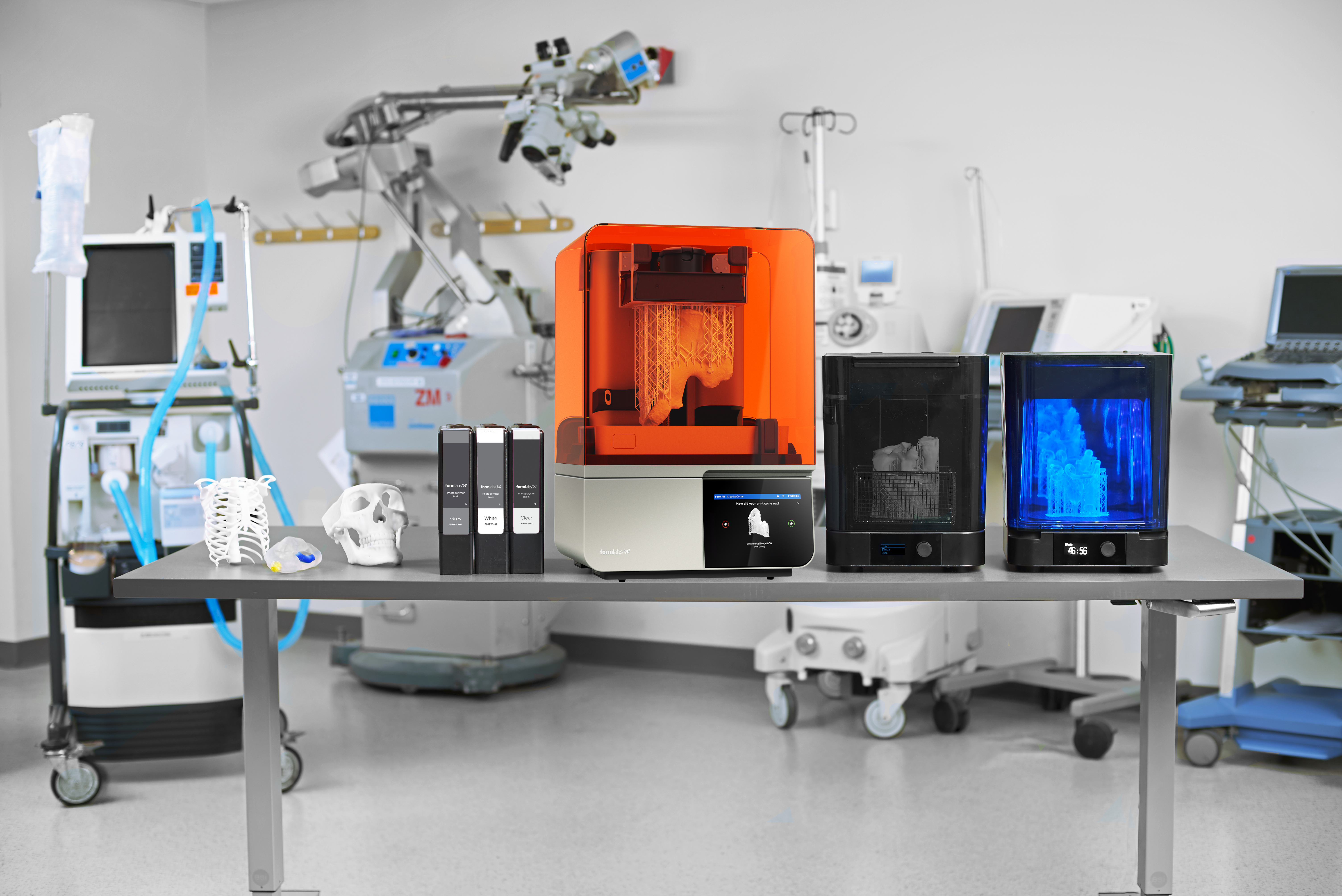
Formlabs 3D printers are used in the healthcare sector for various applications, from prototype development to the manufacture of end products. In this article, we take a closer look at some of these applications.
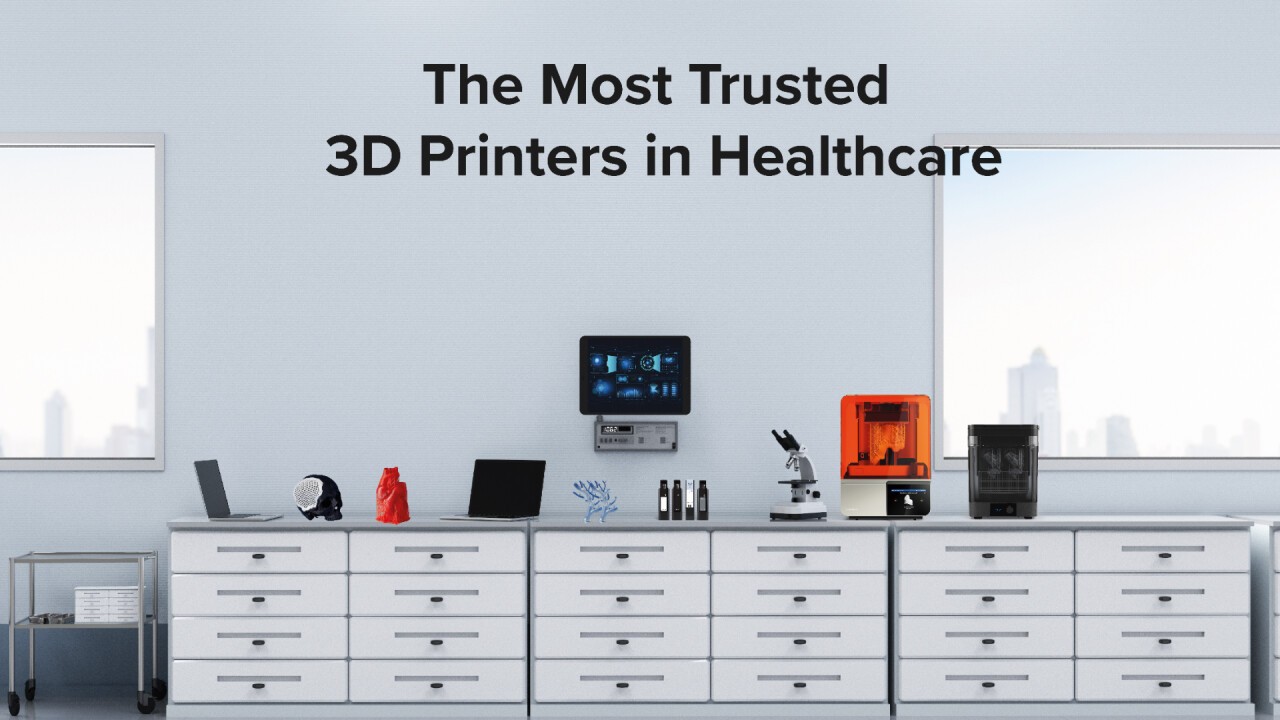
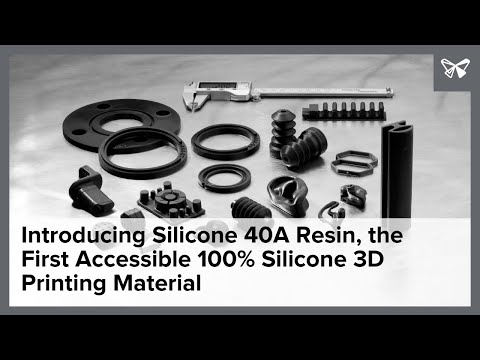
Formlabs: 3D printing in the healthcare sector
Formlabs 3D printers are used in the healthcare sector for various applications, from prototype development to the manufacture of end products.
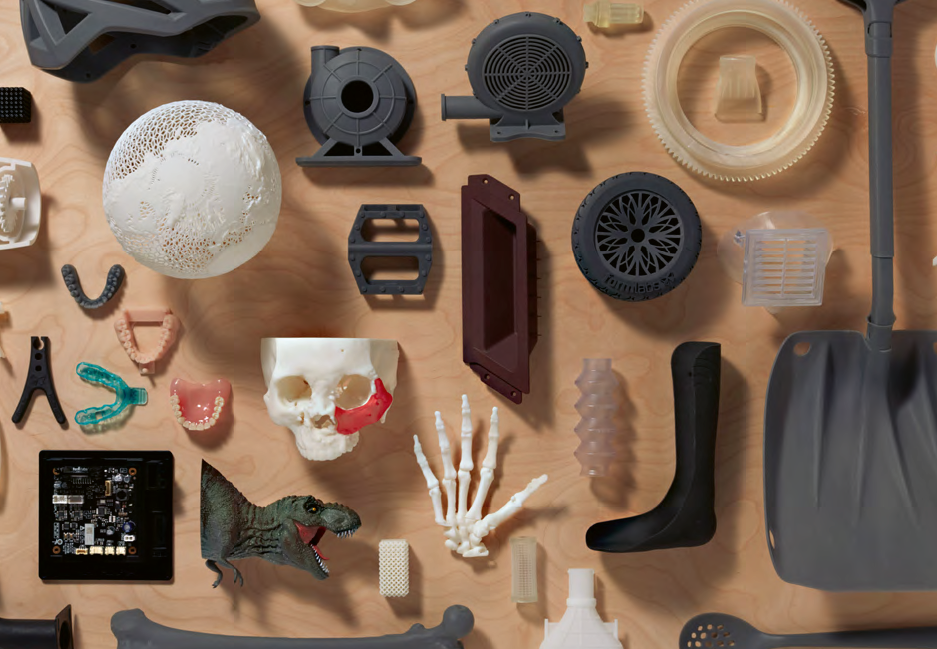
Advantages:
- Faster product development: 3D printing allows prototypes to be produced and tested quickly and easily, so products can be brought to market faster.
- Lower costs: 3D printing can reduce production costs as complex geometries can be produced without expensive moulds.
- Greater flexibility: 3D printing enables the production of customised products and small batches that are not possible with traditional manufacturing methods.
- Improved patient care: 3D printing can be used to produce patient-specific implants and medical devices that can improve treatment outcomes.
Case studies:
Peva Project:
The Peva Project represents a new generation of medical products that prioritise self-determination, comfort and sustainability. The aim of the initiative is to challenge existing medical routines and rethink instruments in such a way that they meet the needs of both patients and healthcare professionals.
A key example of this is the Peva Speculum, a gynaecological examination instrument that actively involves patients in the examination process. It has been designed so that patients can insert it themselves. This creates a significantly more comfortable, self-determined examination situation that builds trust and enables interaction on an equal footing. 
For the development and manufacture of the speculums, Peva relies on the expertise of BFI Innovation and the technology of Formlabs. The components are produced on the Formlabs Form 4B using the biocompatible material Formlabs BioMed Clear. 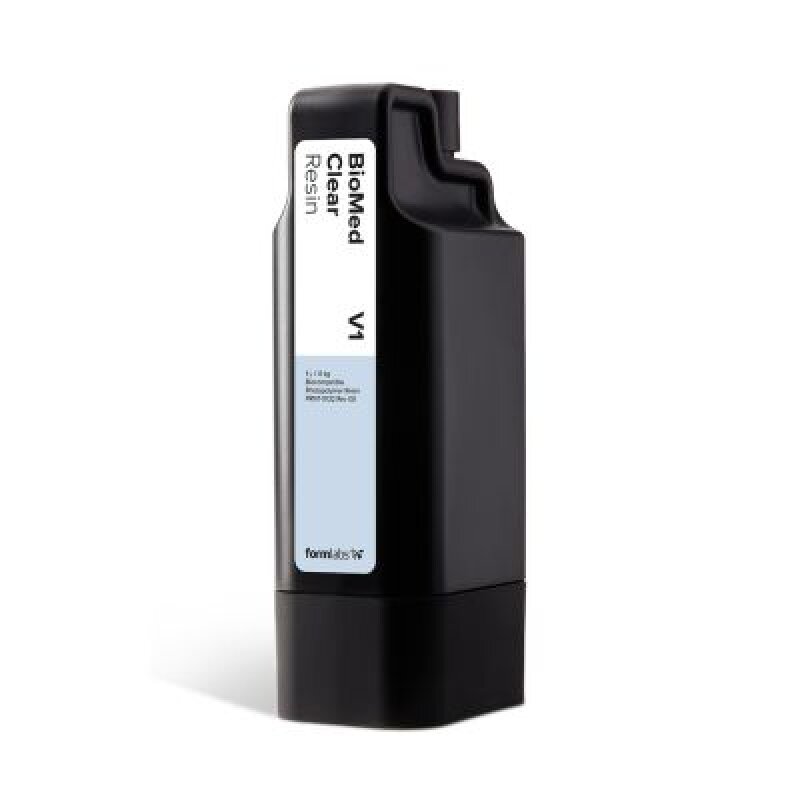
This combination enables the rapid, flexible and, at the same time, standards-compliant manufacture of medical components. Projects such as Peva benefit particularly from additive manufacturing during the development phase: iterations can be implemented quickly, designs tested directly and continuously improved, without the constraints of traditional production methods. 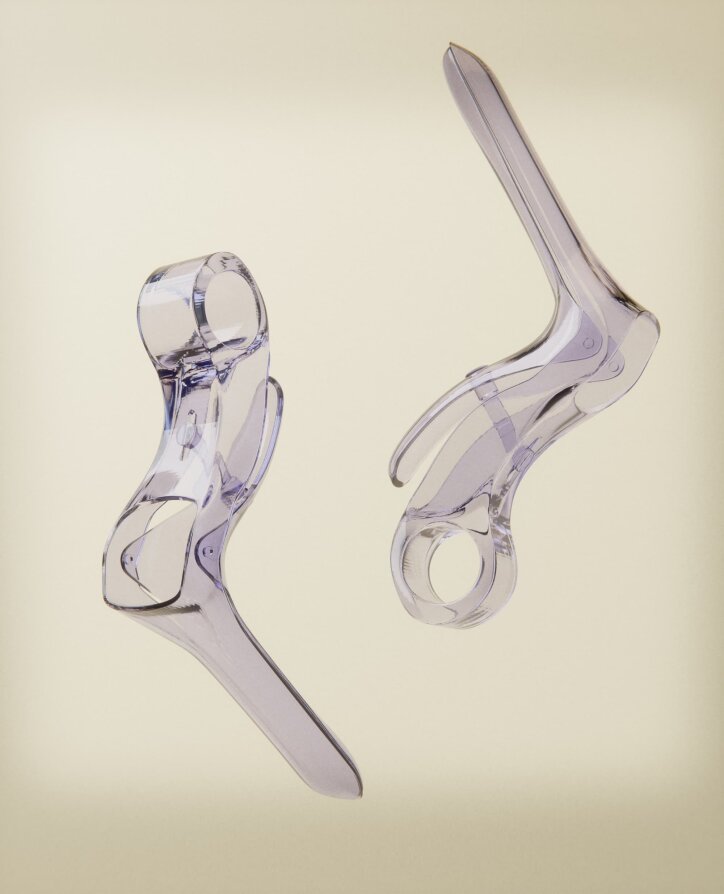

This use case demonstrates how modern 3D printing technology not only delivers efficiency gains but also creates real added value for patients. Through close collaboration between Peva, BFI Innovation and Formlabs, an innovative approach is emerging that redefines medical products as functional, inclusive and forward-looking. Peva Project website
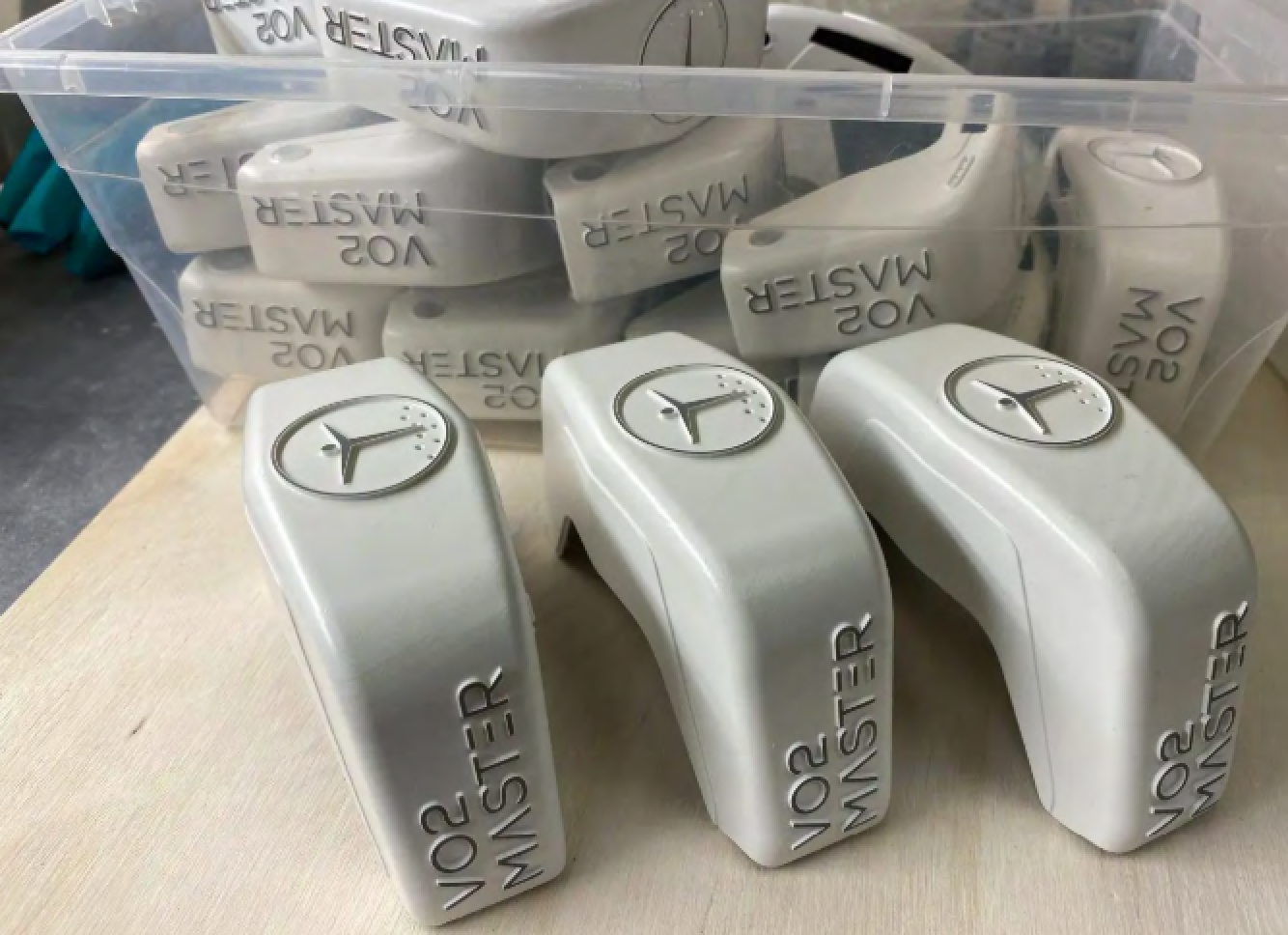
VO2 Master Health Sensors: the company used a 3D SLA printer from Formlabs to develop a small, lightweight VO2 analyser without the need for bulky equipment. (Tough 1500 Resin was used for this)
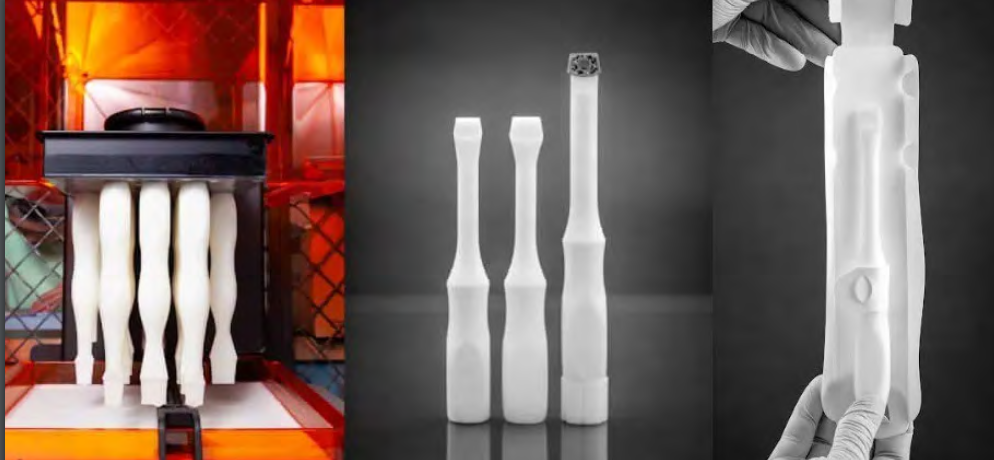
restor3d: This company uses 3D printing to produce procedure-specific surgical instruments that reduce supply chain and sterilisation costs for hospitals.
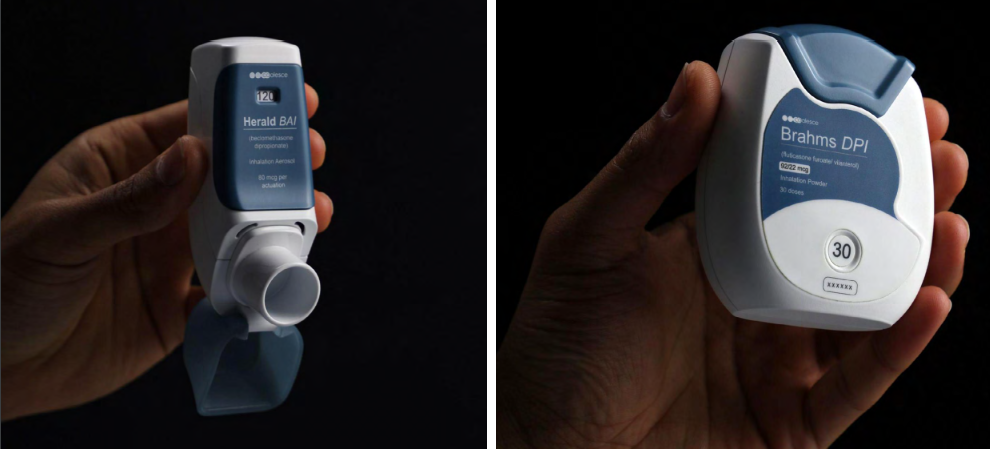
Coalesce Product Development: This company uses 3D printing to develop and test inhalers and other medical devices.
Formlabs offers a range of 3D printers and materials suitable for healthcare applications. The company also has a team of application specialists who can help customers choose the right technology for their needs.
Conclusion:
Formlabs 3D printers are a powerful tool that can be used to improve product development, reduce costs and improve patient care in healthcare.