Best Practices in Electronics Manufacturing: Quality Control at Every Stage
Reliable electronics are not created by chance. Discover the best practices that reduce defects, improve consistency, and ensure quality through inspection, testing, and attention to detail at every production stage.
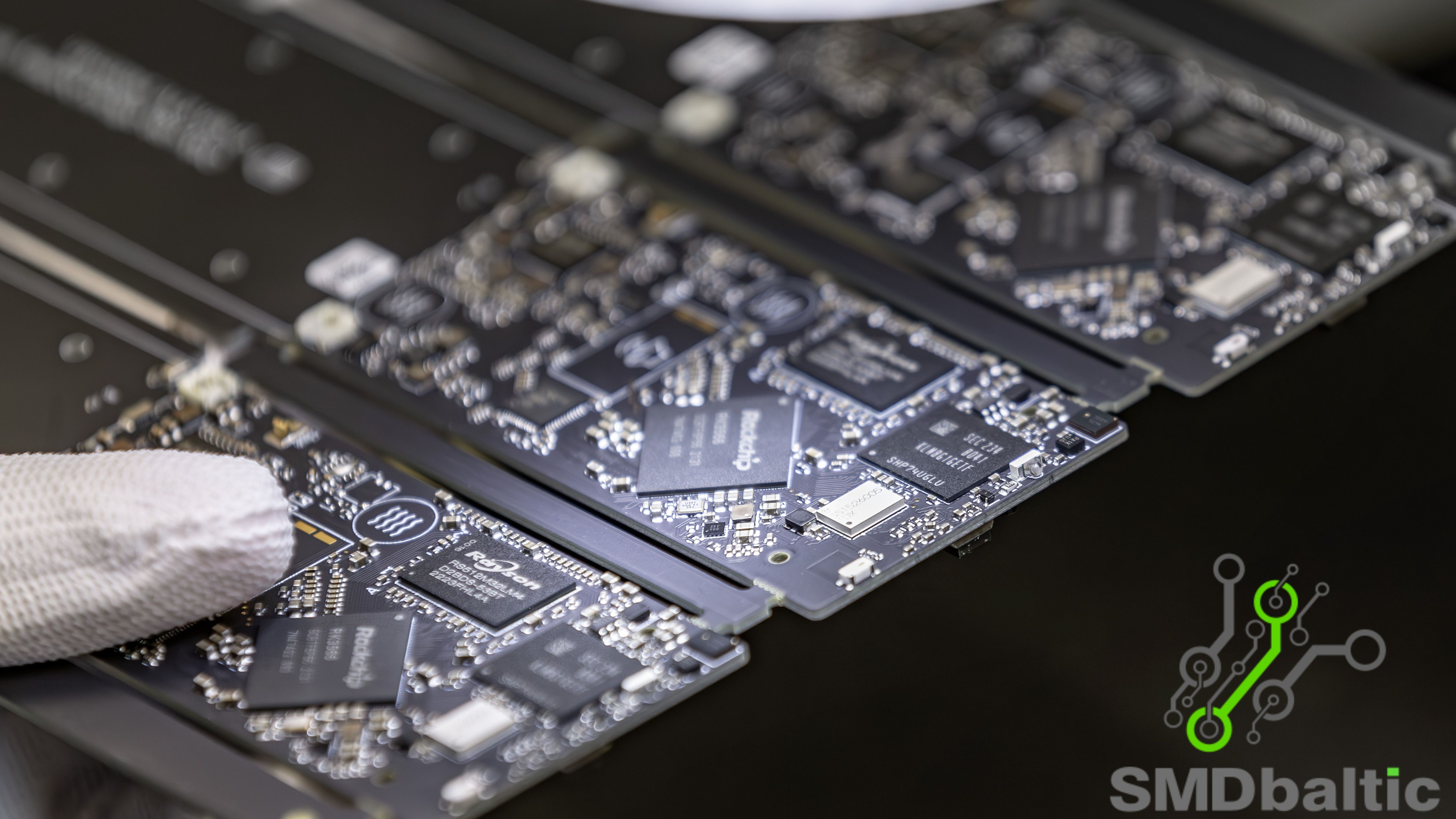
Best Practices in Electronics Manufacturing
In electronics manufacturing, quality cannot simply be added at the end of the process. It must be built into every step, from the first loaded component to the final packaged product. Companies that rely solely on end-of-line inspection often face higher defect rates, rework costs, delivery delays, and unnecessary risk.
The most effective manufacturing environments follow one principle: control quality continuously, not occasionally. This is where proven best practices make the difference.
Material Verification and Process Control
One of the first best practices is incoming material verification. Stable production starts with meticulously verified components, correct documentation, and controlled material flow. Even a perfectly designed assembly line cannot compensate for poor component quality or incorrect part handling.
The next critical area is process control during PCB assembly. Precision in solder paste printing, placement accuracy, thermal profiling, and operator discipline directly influence final product reliability. Small deviations at this stage can lead to failures that only surface much later in the product's life cycle.
Multi-Stage Inspection and X-Ray Analysis
Another essential best practice is multi-stage inspection instead of single-point control. Instead of checking quality exclusively after assembly, advanced manufacturers integrate inspection at every stage of the process. This includes visual checks, AOI systems, dimensional verification, and in-process monitoring. Early detection always costs less than late correction.
For complex boards, hidden solder joints, BGAs, QFNs, and multilayer assemblies, X-Ray inspection is one of the most valuable control methods. It allows manufacturers to verify solder quality in areas invisible to the human eye and inaccessible to standard visual inspection. For demanding industries, X-Ray inspection is not just an extra feature; it is a practical necessity.
Functional Testing and Precision
Functional testing is another core standard. A product may look correct visually and still fail in operation. That is why leading manufacturers implement customer-specific test procedures, firmware upload verification, electrical checks, and final functional validation before shipment.
Attention to detail also extends beyond the PCB itself. Correct labeling, traceability, ESD discipline, packaging standards, moisture-sensitive material handling, and documentation control all influence final quality and customer confidence.
The Goal: Prevention Over Reaction
The most common mistake in manufacturing is reacting to problems instead of preventing them. Best practices reverse that logic. They create systems where repeatability, transparency, and preventive control reduce defects before they happen.
For OEMs and technology companies, choosing a manufacturing partner with embedded quality systems means more than better production results. It means lower risk, stronger delivery performance, and greater confidence when scaling from prototypes to serial production.
When quality matters, details matter. And in electronics manufacturing, details are where success is built.